Motion Is Lotion: Keeping Everyday Movement Within Reach
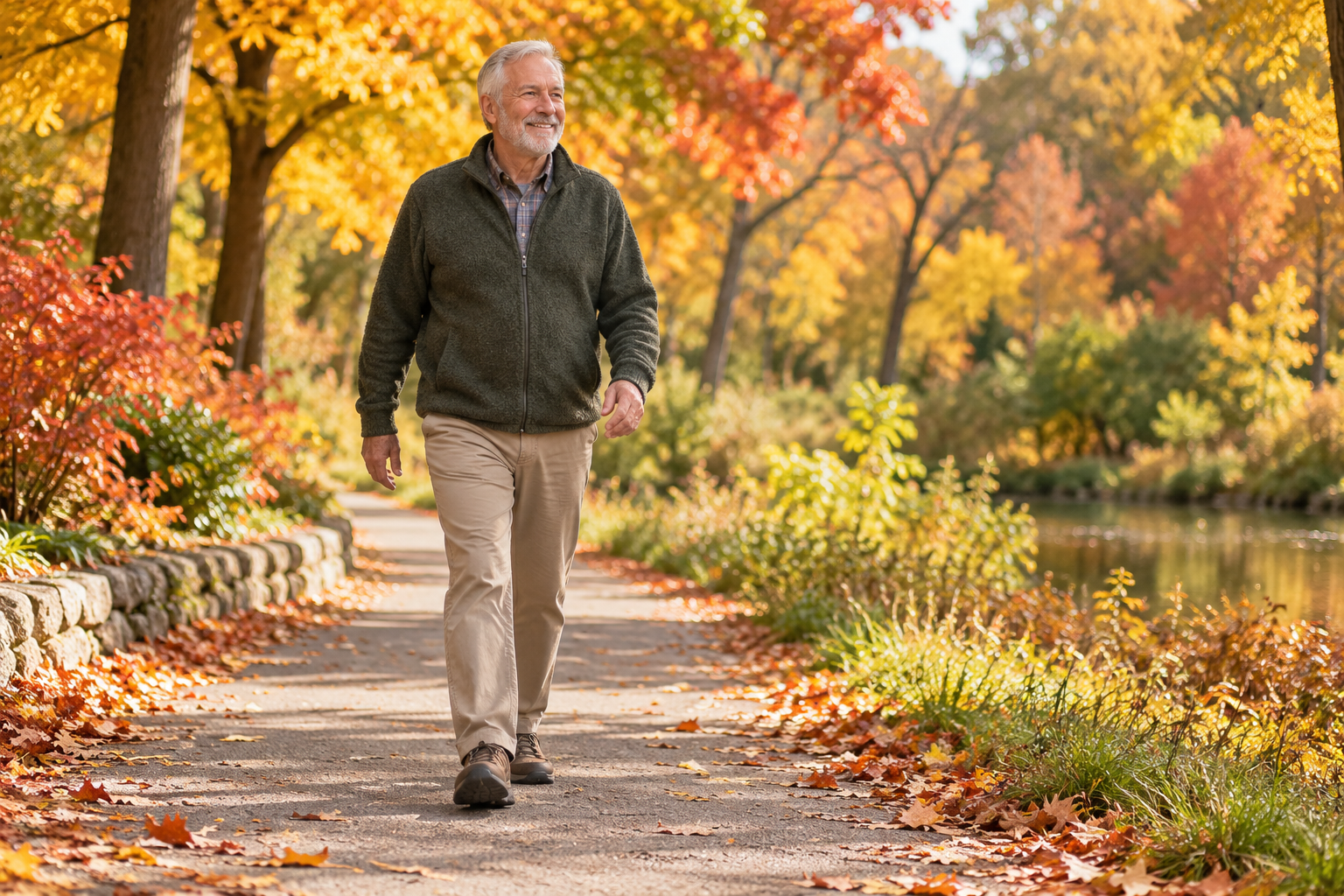
Maybe you’ve been sitting at the kitchen table, sorting mail or finishing your coffee, then when you stand, the first few steps feel stiff. You pause, straighten, and give yourself a moment before heading down the hall, placing your palms against your lower back.
That small moment reinforces the saying “motion is lotion.” It’s a friendly reminder to give your body regular opportunities to move within a comfortable range. As we age, routinely practicing movement in our days can support the things we want to keep doing: tending a garden, visiting friends, or carrying groceries through the front door.
Mobility means being able to move where you need to so you can do what matters to you. It draws on flexibility, strength, balance, and coordination. Regular physical activity can help preserve mobility and physical function as we grow older.
Tai Chi offers one gentle way to practice several of those abilities together.
In a Tai Chi session, you might slowly shift your weight between your feet, turn through a comfortable range, and let your arms follow the movement. Your attention stays with the feeling of your feet on the floor and the direction your body is moving. You don’t need to arrive to class flexible or ready to memorize complex forms or postures. Movements can be adapted, including for seated practice, as the National Center for Complementary and Integrative Health explains.
Imagine stepping from a sidewalk onto a garden path. Before taking the next step, you notice where your weight rests and where your foot will land. Tai Chi gives you time to explore that kind of awareness slowly, in a more predictable setting. Research suggests it may improve balance and stability in older adults.
There’s a mental side to this, too. Paying attention to a slow movement gives your mind something concrete to settle on. Instead of mentally rehearsing tomorrow’s errands, you’re noticing your shoulders, your breathing, and the floor beneath you. Some people find that change of focus calming. Research suggests possible psychological benefits, including reduced anxiety.
A realistic practice leaves room for how you feel that day. You might use smaller turns, take a seated break, or spend a few minutes learning one movement. A teacher who welcomes modifications can help you find a comfortable starting point. If you have a recent injury, significant pain, serious balance difficulties, or medical restrictions, check with a qualified healthcare professional first.
Tai Chi offers small opportunities to notice how you move. Try it: make room for movement in your day to keep your mobility and stay active and strong.
R